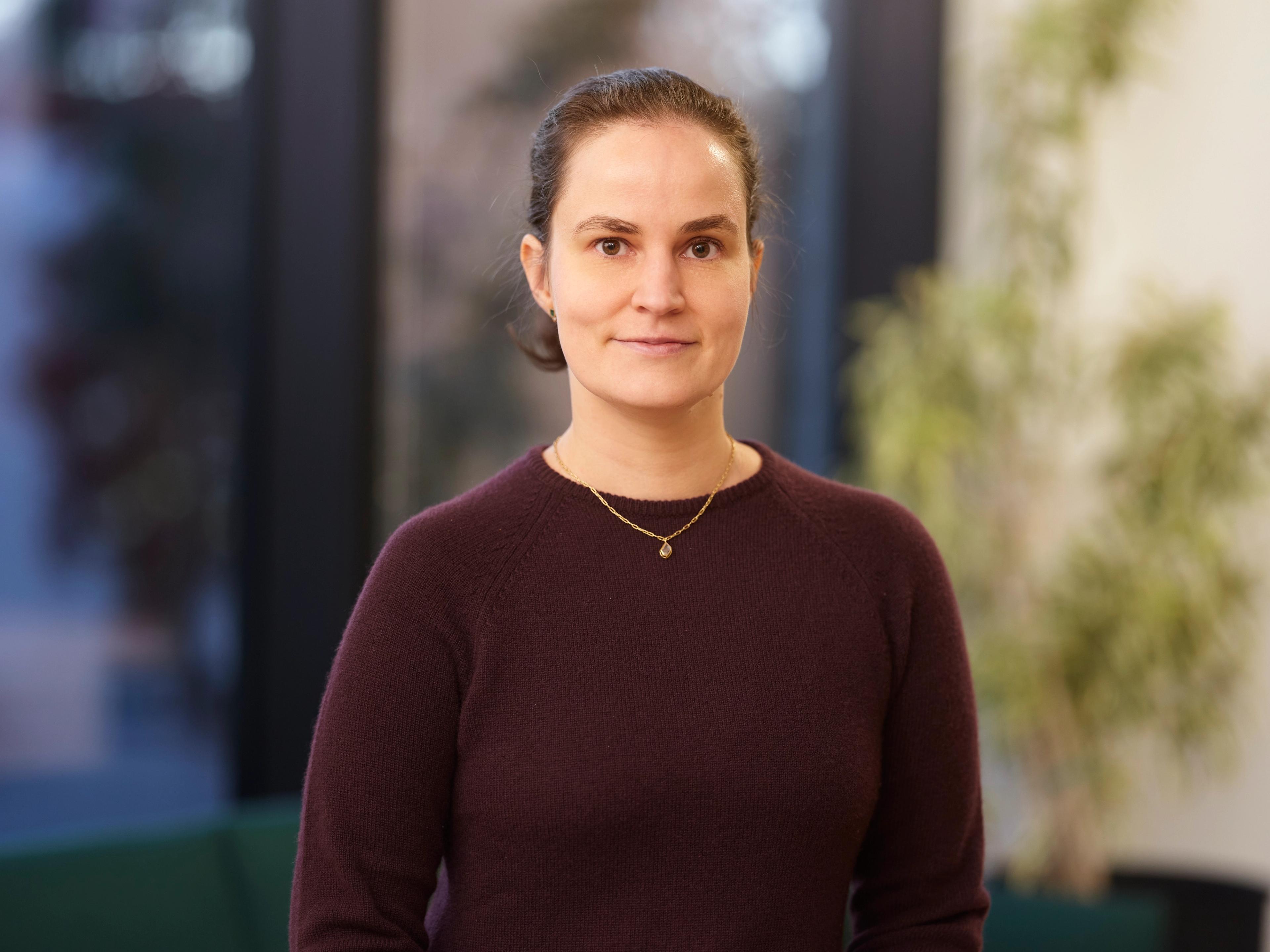
Silvana Konermann
Co-Founder & Executive Director
Arc Institute is an independent nonprofit research organization based in Palo Alto, California, that aims to accelerate scientific progress and understand the root causes of complex diseases.
Investigators at Arc are supported by long-term, no-strings-attached funding and the freedom to pursue bold ideas. Arc’s Technology Centers—biotech-like research and development hubs focused on advancing our Virtual Cell and Alzheimer’s Disease Initiatives—leverage multiomics, genome engineering, and cellular, mammalian, and computational models to make discoveries at the intersection of biology, human health, and AI.
Founded in 2021, Arc works in close partnership with Stanford University, the University of California, Berkeley, and the University of California, San Francisco.
Accelerate discovery, uncover the root causes of complex diseases, and close the gap between scientific breakthroughs and real-world impact
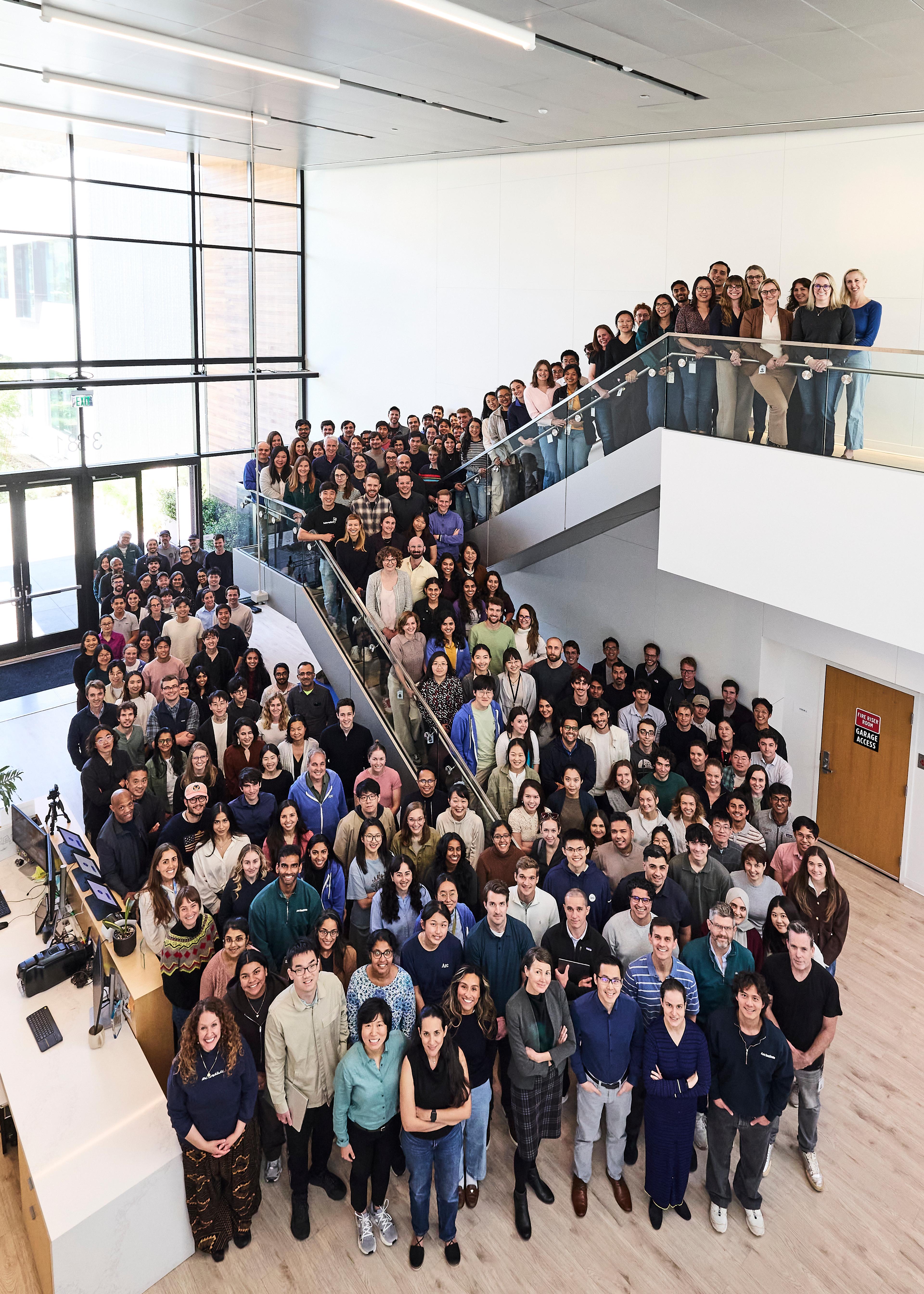
Arc’s two Institute Initiatives tackle major problems that require unprecedented data scale, long-term focus, and collaboration across multiple disciplines and teams.
Arc’s VCI aims to build an accurate ML model that predicts how diverse cell types and states respond to drugs and genetic perturbations – ultimately allowing us to determine which levers we need to pull to shift a cell from a diseased state to a healthy one to advance therapeutic development for complex disease.
We're generating diverse and rich single-cell measurements from billions of cells following chemical and genetic perturbations: the ideal training dataset for modeling the dynamics of cell states, with the goal to unlock new biological understanding and speed up drug discovery.
Arc’s ADI aims to identify the underlying genes, pathways, and environmental factors that drive Alzheimer’s disease, and develop new drug candidates that address these root causes to slow or prevent disease progression.
We're taking a data-driven approach to construct a comprehensive map of Alzheimer's disease using 3D multi-cell type models of the human brain, paired with systematic perturbations and causal computational analysis at unprecedented scale. Looking beyond Alzheimer’s, we envision this strategy as a blueprint for future exploration of other complex diseases.
Arc investigates a broad range of biomedical questions. Early work spans from AI-based cellular modeling to new genome engineering approaches and disease biology. Our featured research is listed on our website, and Arc's Tools Portal provides access to tools, code, and documentation.
A biological foundation model, trained on genomes from all domains of life, capable of generalist prediction and design tasks across DNA, RNA, and proteins.
Read the paper in NatureA programmable, RNA-guided system beyond CRISPR that enables precise insertion, inversion, and excision of any two DNA segments through a universal mechanism.
Read the paper in NatureOur first virtual cell model that predicts the effects of chemical and genetic perturbations on the cellular transcriptome.
Read the preprint on BioRxivA small-molecule drug that offers the same benefits as a low-oxygen/high-altitude environment, with potential indications spanning cancer, mitochondrial diseases, and diabetes.
Read the paper in Cell
Arc was started by Silvana Konermann, Patrick Hsu, and Patrick Collison. All three previously collaborated on Fast Grants.
Co-Founder & Executive Director
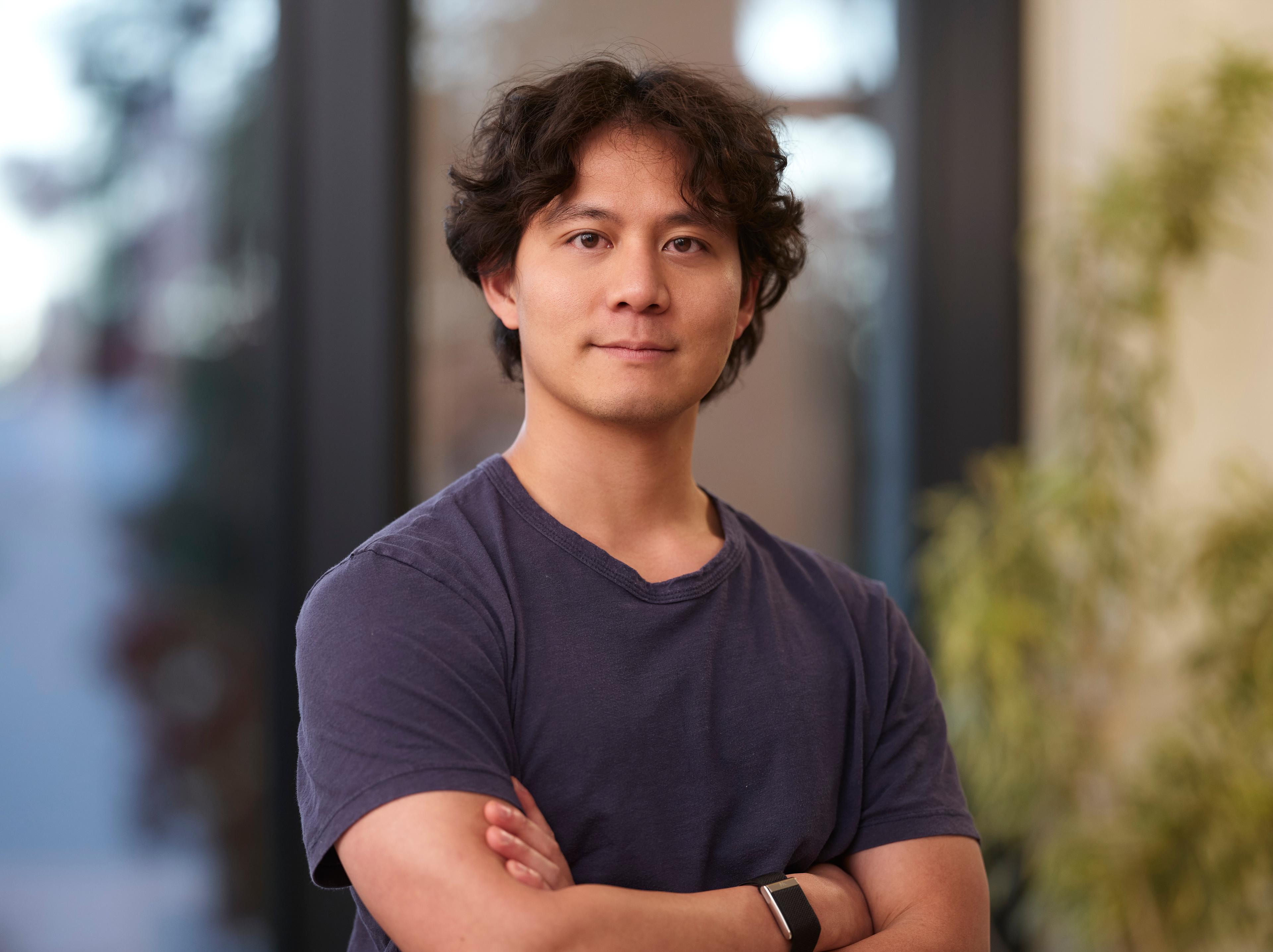
Co-Founder & Core Investigator
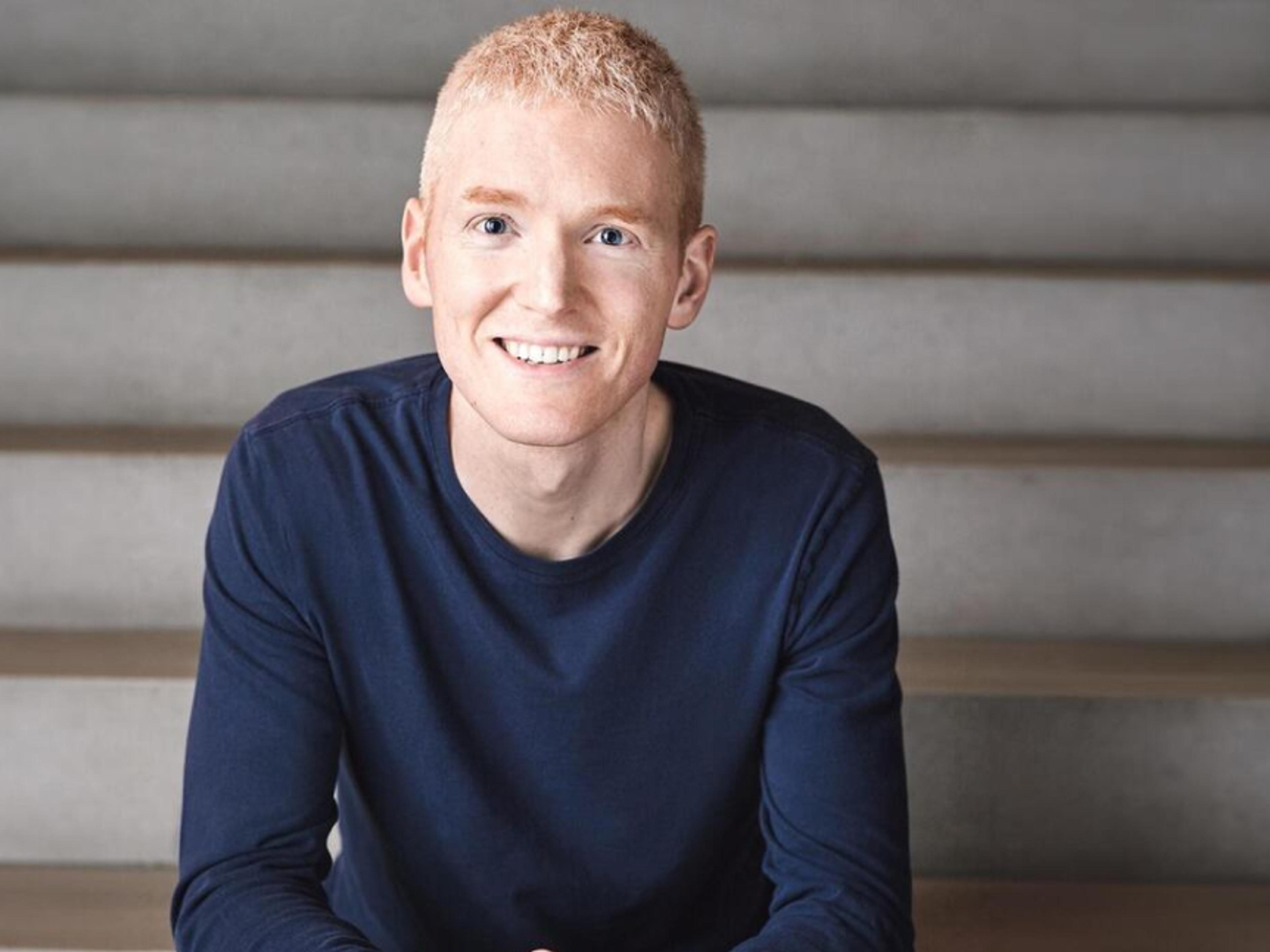
Co-Founder
Arc’s founding donors include Vitalik Buterin, Patrick Collison, John Collison, the Ron Conway family, Crankstart, Elad Gil and Jennifer Huang Gil, Daniel Gross, Dustin Moskovitz and Cari Tuna, and Hemant and Jessica Taneja. They are joined by Matt Berger, Craig Falls, Rob Granieri, James McClave, and Adam Winkel from Jane Street.
If you are interested in making a tax deductible contribution to Arc, please contact our finance team at [email protected].
Get Arc research delivered to your inbox:
Sign Up